

How Many Times a Day Should Puppies Eat? A Complete Feeding Guide for Healthy Growth

English cocker spaniel puppy eating dog food from ceramic bowl

Welcoming a new puppy into your home is a joyous occasion, filled with excitement and love. As a responsible pet parent, one of the most important aspects of your puppy’s care is their nutrition. Understanding how often your puppy should eat can help ensure they grow up healthy and happy. In this guide, we’ll walk you through the ideal feeding schedule for your furry friend from newborn to 12 months old.

Puppy Feeding Schedule:

0-4 Weeks: Newborn Nutrition

At this stage, puppies are typically nursing from their mother, which provides them with all the necessary nutrients. If the mother is not available, a high-quality puppy milk replacer can be used. Puppies should be fed every 2-4 hours, including during the night. This frequent feeding helps them gain weight and develop properly.

4-8 Weeks: Transition to Solid Food

Around 4 weeks, puppies can start transitioning to solid food. Begin with a high-quality puppy food that is specially formulated for their growing needs. At this stage, aim for 4 meals a day. This frequent feeding helps to support their rapid growth and high energy levels. Be sure to offer the food in small, manageable amounts to avoid overfeeding.

8-12 Weeks: Establishing Routine

By 8 weeks, your puppy is ready to continue transitioning to solid food. They should be eating 3-4 meals a day. This schedule helps balance their nutritional needs and keeps their energy levels stable. As your puppy continues to grow, monitor their weight and adjust portions as necessary to ensure they’re not overeating or under-eating.

3-6 Months: Reducing Meals

Around 3 months of age, you can start reducing the number of meals to 3 times a day. Puppies at this stage are growing rapidly and require more substantial meals, so each feeding should be well-balanced and include enough calories and nutrients. Keep an eye on their body condition and adjust portions as needed.

6-12 Months: Transition to Adult Feeding

By 6 months, you can transition your puppy to 2 meals a day. This feeding schedule is closer to what they will follow as an adult dog. Continue to provide high-quality puppy food to support their ongoing growth and development. As they approach their first birthday, you can start considering switching to adult dog food if recommended by your veterinarian.

Tips for Successful Puppy Feeding:

  • Consistency is Key: Stick to a regular feeding schedule to help establish good eating habits. Consistent feeding times can also help with house training.
  • Portion Control: Follow the feeding guidelines provided on your puppy food packaging. Avoid overfeeding or underfeeding by measuring out portions and adjusting as needed based on your puppy’s growth and activity level.
  • Fresh Water: Always provide fresh water for your puppy in their bowl. Staying hydrated is crucial for their overall health and well-being.
  • Monitor Weight and Growth: Regularly check your puppy’s weight and growth progress. If you notice any significant changes or concerns, consult your veterinarian for guidance.
  • Consult Your Veterinarian: Every puppy is unique, so it’s always a good idea to consult with your veterinarian for personalized feeding recommendations and to address any specific health concerns.

Feeding your puppy the right way sets the foundation for a healthy and happy life. By following these guidelines and keeping an eye on your puppy’s growth and development, you can ensure they get the best start possible. Enjoy the journey of puppyhood and watch your little one grow into a strong and thriving adult dog! 🐾💕

Feel free to share your feeding experiences and tips in the comments below or on social media. We’d love to hear how your puppy is thriving!


Tags: #PuppyCare #PuppyFeeding #PetNutrition #HealthyPuppy #DogLovers #PuppyGrowth
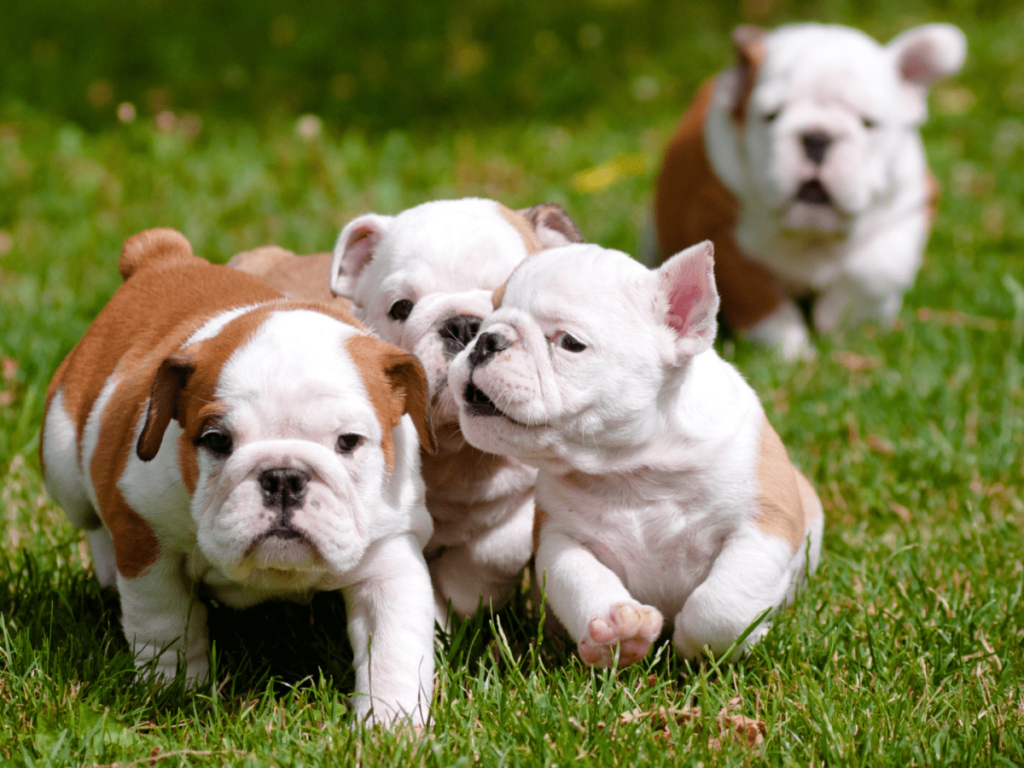
Adorable Bulldog Puppies: Care Tips, Training, and Must-Have Essentials

Bringing home a bulldog puppy is an exciting and heartwarming experience. With their signature wrinkly faces, stocky builds, and charming personalities, bulldogs quickly become beloved family members. However, raising a bulldog puppy comes with its own set of unique challenges and responsibilities. To help you on this journey, we’ve put together a comprehensive guide that covers everything from basic care to training tips and the must-have essentials for your new bulldog companion.

Understanding Bulldog Puppies

Before diving into the practicalities, it’s essential to understand what makes bulldog puppies special. Bulldogs are known for their gentle and friendly nature, making them great companions. They have a low energy level compared to other breeds, but they still require regular exercise and mental stimulation to stay healthy and happy. Bulldogs are also prone to certain health issues, such as breathing difficulties due to their short snouts, so it’s important to be aware of their specific needs.

Essential Care Tips for Bulldog Puppies

  1. Feeding Your Bulldog Puppy:
    A bulldog puppy’s diet is crucial for their development. Choose high-quality puppy food that is rich in protein and free from fillers. Bulldogs are prone to obesity, so it’s important to monitor their portion sizes and avoid overfeeding. Split their meals into three or four small servings throughout the day.
  2. Hydration Is Key:
    Bulldogs can be prone to overheating, especially during warmer months, so always ensure they have access to fresh, clean water. Keep an eye on their water intake to prevent dehydration.
  3. Skin and Coat Care:
    Those adorable wrinkles need special attention! Clean your bulldog puppy’s wrinkles regularly to prevent infections. Use a damp cloth to gently wipe between the folds, and make sure the area is thoroughly dry afterward. Regular brushing will also keep their coat healthy and reduce shedding.
  4. Dental Care:
    Bulldogs have a tendency to develop dental issues, so establishing a dental care routine early on is important. Brush your puppy’s teeth several times a week using dog-safe toothpaste, and provide dental chews to keep their teeth clean and strong.
  5. Exercise and Play:
    While bulldogs don’t require as much exercise as some other breeds, they still need daily walks and playtime to maintain a healthy weight and mental well-being. Be mindful of their limits, especially in hot weather, and avoid strenuous activity.

Training Your Bulldog Puppy

Training is an essential part of raising any puppy, and bulldogs are no exception. Bulldogs are intelligent but can be stubborn, so patience and consistency are key.

  1. Start with Basic Commands:
    Begin training your bulldog puppy with basic commands such as “sit,” “stay,” and “come.” Use positive reinforcement, like treats and praise, to encourage good behavior. Bulldogs respond well to a gentle approach, so avoid harsh corrections.
  2. Socialization Is Crucial:
    Early socialization is important for bulldog puppies to develop into well-behaved adult dogs. Expose them to different environments, people, and other animals in a controlled and positive manner. This will help them become confident and adaptable.
  3. Crate Training:
    Crate training can be very beneficial for bulldogs, providing them with a safe space to retreat to when needed. Make the crate a positive environment by placing comfortable bedding and toys inside. Remember to be patient, as bulldogs may take some time to adjust to crate training.
  4. Housebreaking Tips:
    Consistency is key when housebreaking your bulldog puppy. Take them outside frequently, especially after meals and naps, and praise them when they eliminate in the correct spot. Accidents will happen, so be patient and avoid scolding your puppy.

Must-Have Essentials for Your Bulldog Puppy

To ensure your bulldog puppy feels at home, here are some must-have essentials:

  1. Quality Puppy Food:
    Invest in a high-quality puppy food formulated for bulldogs. Look for food with balanced nutrients to support their growth and development.
  2. Comfortable Bed:
    Bulldogs love their nap time, so provide a comfortable and supportive bed. Orthopedic beds are a great option to support their joints as they grow.
  3. Durable Chew Toys:
    Bulldogs have strong jaws and love to chew, so opt for durable toys that can withstand their powerful bite. Chew toys also help with teething and keep them entertained.
  4. Food and Water Bowls:
    Choose sturdy, non-tip bowls for food and water. Raised bowls can be beneficial for bulldogs, making it easier for them to eat and drink without straining their necks.
  5. Leash and Harness:
    A well-fitting harness is better than a collar for bulldogs, as it reduces strain on their neck and helps prevent breathing difficulties. Pair it with a strong, comfortable leash for walks.
  6. Grooming Supplies:
    Invest in grooming essentials like a soft brush, dog-safe shampoo, and cleaning wipes for those wrinkles. Regular grooming will keep your bulldog puppy looking and feeling their best.
  7. Training Treats:
    Keep plenty of small, tasty treats on hand for training sessions. Bulldogs are motivated by food, so using treats as rewards will help reinforce good behavior.

Final Thoughts

Raising a bulldog puppy is a rewarding experience filled with love and laughter. By understanding their unique needs and providing proper care, training, and the right essentials, you’ll set the foundation for a happy and healthy life together. Remember to enjoy every moment of this journey—bulldog puppies grow up fast, and the bond you build with them will last a lifetime.

Welcoming a New Puppy Into Your Home

Welcoming a New Puppy Into Your Home: A Guide to a Smooth Transition

Bringing a new puppy into your home is an exciting and joyful experience, but it can also be a bit overwhelming. From preparing your home to the first days with your new furry friend, there are several steps you can take to ensure a smooth and happy transition for both you and your puppy. Here’s a comprehensive guide to help you welcome your new puppy with ease and confidence.

“Meet our newest family member, Gus the Beagle! 🐾❤️ We’re so excited to welcome this bundle of joy into our home and start making unforgettable memories. Here’s to new adventures, endless cuddles, and lots of wagging tails! 🐶✨ #NewPuppy #BeagleLove #PuppyJoy #FamilyAddition #WelcomeHome”

1. Prepare Your Home

Before bringing your puppy home, it’s important to create a safe and comfortable environment. Here are a few things to consider:

  • Puppy-Proof Your Space: Remove any hazardous items or small objects that your puppy might chew on or swallow. Make sure electrical cords are out of reach and secure any sharp objects or chemicals.
  • Set Up a Cozy Space: Create a designated area for your puppy with a comfortable bed, water bowl, and toys. A crate can also be a great addition, providing a safe haven for your puppy to relax and sleep.
  • Gather Supplies: Stock up on essential supplies such as food and water bowls, high-quality puppy food, grooming tools, and chew toys. Having everything ready in advance will make the transition smoother.

2. The First Day

The first day with your new puppy can be both thrilling and overwhelming. Here’s how to make it a positive experience:

  • Introduce Gradually: When you first bring your puppy home, allow them to explore their new environment at their own pace. Keep introductions to new people and pets gradual to avoid overwhelming your puppy.
  • Establish a Routine: Puppies thrive on routine. Set up a consistent feeding, potty, and play schedule to help your puppy feel secure and understand what to expect.
  • Start Training Early: Begin with basic commands and house training. Positive reinforcement, such as treats and praise, will help your puppy learn quickly and build a strong bond with you.

3. Socialization and Bonding

Socialization is crucial for your puppy’s development. Help your puppy become well-adjusted and confident by:

  • Introducing New Experiences: Gradually expose your puppy to different environments, people, and other animals. Positive experiences during this time will help them become more adaptable and less fearful.
  • Encouraging Playtime: Play is not only fun but also essential for your puppy’s development. Engage in interactive play with toys, and consider scheduling playdates with other puppies to help them learn social skills.
  • Building Trust: Spend quality time with your puppy, offering affection and reassurance. Building a strong, trusting relationship will set the foundation for a happy and well-behaved adult dog.

4. Health and Wellness

Ensuring your puppy’s health and well-being is crucial:

  • Veterinary Care: Schedule a veterinary check-up as soon as possible. Your vet will assess your puppy’s health, discuss vaccination schedules, and provide guidance on nutrition and preventive care.
  • Grooming and Hygiene: Regular grooming is important for your puppy’s health. Start with gentle brushing, nail trimming, and baths to get them accustomed to the grooming process.
  • Nutrition: Feed your puppy a balanced diet appropriate for their age, size, and breed. Consult your vet for recommendations on the best food for your puppy’s specific needs.

5. Ongoing Training and Development

As your puppy grows, ongoing training and development will be key to maintaining good behavior and a happy home:

  • Continue Training: Build on basic commands and introduce more advanced training as your puppy matures. Consistency and positive reinforcement are key to successful training.
  • Provide Mental Stimulation: Keep your puppy engaged with puzzle toys, obedience training, and new experiences. Mental stimulation is important for their overall well-being.
  • Stay Active: Regular exercise is essential for your puppy’s physical and mental health. Ensure they get plenty of opportunities to run, play, and explore.

Conclusion

Welcoming a new puppy into your home is a joyful adventure that comes with responsibilities. By preparing your home, establishing routines, focusing on socialization, and prioritizing health and training, you’ll set the stage for a happy and well-adjusted puppy. Enjoy the journey and cherish the special moments with your new furry friend!

Ready to start your puppy parenting adventure? Share your tips and experiences in the comments below! 🐾🐶