Blog 2.0

“Easy 3-Ingredient Dog Treat Recipes: Simple and Delicious!”

If you’re a busy pet parent looking to whip up some healthy and tasty treats for your furry friend, you’re in luck! These 3-ingredient dog treat recipes are not only quick and easy to make but also packed with flavors that your pup will adore. With just a few basic ingredients, you can create homemade treats that are both nutritious and satisfying. Let’s dive into these simple recipes that will keep your dog’s tail wagging!

Why 3-Ingredient Recipes?

  1. Simplicity: Minimal ingredients mean less prep time and fewer trips to the store.
  2. Healthy Choices: With fewer ingredients, you can control what goes into your dog’s treats, avoiding unnecessary additives and preservatives.
  3. Cost-Effective: Simple recipes often use ingredients you already have at home, making them budget-friendly.
Recipe 1: Peanut Butter & Banana Dog Biscuits

Ingredients:

  • 1 ripe banana
  • 1/2 cup peanut butter (ensure it’s xylitol-free)
  • 1 cup whole wheat flour

Instructions:

  1. Preheat your oven to 350°F (175°C).
  2. In a bowl, mash the banana until smooth.
  3. Stir in the peanut butter until well combined.
  4. Gradually add the whole wheat flour, mixing until a dough forms.
  5. Roll out the dough on a floured surface and cut into desired shapes with cookie cutters.
  6. Place the shapes on a baking sheet lined with parchment paper.
  7. Bake for 15-20 minutes, or until the biscuits are firm and golden brown.
  8. Allow to cool completely before serving.

Recipe 2: Sweet Potato & Oat Dog Treats

Ingredients:

Instructions:

  1. Preheat your oven to 350°F (175°C).
  2. In a bowl, combine the mashed sweet potato, oats, and whole wheat flour.
  3. Mix until a dough forms.
  4. Roll out the dough on a floured surface and cut into small shapes.
  5. Place on a baking sheet lined with parchment paper.
  6. Bake for 20 minutes, or until the treats are crisp and lightly browned.
  7. Let cool before giving to your dog.

Recipe 3: Apple & Cheddar Dog Chews

Ingredients:

  • 1/2 cup shredded cheddar cheese
  • 1/2 cup finely chopped apple (no seeds)
  • 1 cup whole wheat flour

Instructions:

  1. Preheat your oven to 350°F (175°C).
  2. In a bowl, mix the shredded cheddar cheese, chopped apple, and whole wheat flour.
  3. Stir until the mixture forms a dough.
  4. Roll out the dough and cut into small, chew-sized pieces.
  5. Place on a baking sheet lined with parchment paper.
  6. Bake for 15-20 minutes, or until the chews are firm and golden.
  7. Allow to cool completely before serving.

Storage Tips

To keep your homemade dog treats fresh:

  • Store them in an airtight container.
  • Keep in a cool, dry place.
  • For longer storage, freeze the treats and thaw as needed.

Conclusion

Making your own dog treats doesn’t have to be complicated or time-consuming. These easy 3-ingredient recipes are perfect for creating healthy, homemade snacks that your dog will love. With just a few simple ingredients, you can ensure your pup enjoys nutritious and delicious treats without any fuss. Try these recipes today and see how much your furry friend will appreciate your homemade creations!

Happy baking, and here’s to happy, wagging tails! 🐶❤️


Feel free to share your own variations or favorite 3-ingredient dog treat recipes in the comments below!
Long-Lasting Homemade Dog Treats: Delicious Recipes for Happy Pups

As dog owners, we all want to give our furry friends the best, especially when it comes to their treats. Store-bought options are often filled with preservatives and artificial ingredients, so why not create something special at home? Homemade dog treats not only ensure quality ingredients but also allow you to cater to your pup’s specific tastes and dietary needs. Here are some fantastic recipes for long-lasting homemade dog treats that will keep your pup happy and healthy.

Why Homemade Treats?

  1. Quality Ingredients: You control what goes into the treats, ensuring they’re free from artificial additives and preservatives.
  2. Customization: Tailor the recipes to your dog’s dietary restrictions or preferences.
  3. Cost-Effective: Homemade treats can be more economical compared to premium store-bought options.

Essential Ingredients for Dog Treats

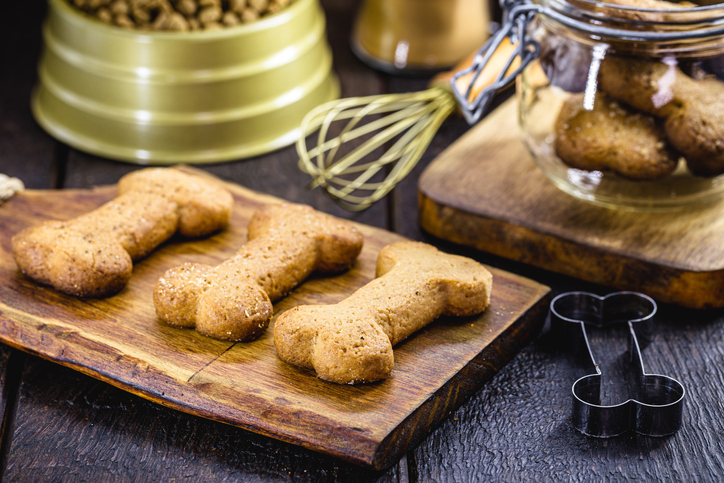
homemade dog biscuit after being baked, healthy pet food

When making homemade dog treats, opt for ingredients that are beneficial for your dog’s health:

  • Whole Wheat Flour: A good source of fiber and nutrients.
  • Oats: Great for digestion and adding a crunchy texture.
  • Peanut Butter: A tasty treat that also provides protein (ensure it’s xylitol-free).
  • Pumpkin: Rich in vitamins and good for digestive health.
  • Carrots: High in vitamins and low in calories, perfect for a crunchy treat.

Recipe 1: Peanut Butter & Pumpkin Dog Biscuits

Ingredients:

  • 1 cup whole wheat flour
  • 1/2 cup pumpkin puree
  • 1/4 cup peanut butter (make sure it’s xylitol-free)
  • 1/4 cup water (add more if needed)

Instructions:

  1. Preheat your oven to 350°F (175°C).
  2. In a bowl, mix together the flour, pumpkin puree, and peanut butter.
  3. Gradually add water until the dough comes together.
  4. Roll out the dough on a floured surface and cut into desired shapes using cookie cutters.
  5. Place the shapes on a baking sheet lined with parchment paper.
  6. Bake for 20-25 minutes, or until the treats are hard and golden brown.
  7. Allow to cool completely before serving.

Recipe 2: Carrot & Oat Dog Cookies

Ingredients:

Instructions:

  1. Preheat your oven to 350°F (175°C).
  2. In a bowl, combine oats, carrots, and flour.
  3. Stir in the melted coconut oil until the mixture forms a dough.
  4. Roll out the dough on a floured surface and cut into small cookie shapes.
  5. Place on a baking sheet lined with parchment paper.
  6. Bake for 15-20 minutes, or until firm and lightly golden.
  7. Let cool before giving to your dog.

Recipe 3: Apple & Cheddar Dog Treats

Ingredients:

  • 1 cup whole wheat flour
  • 1/2 cup shredded cheddar cheese
  • 1/2 cup finely chopped apple (no seeds)
  • 1/4 cup water

Instructions:

  1. Preheat your oven to 350°F (175°C).
  2. In a bowl, mix flour, cheese, and apple.
  3. Add water gradually to form a dough.
  4. Roll out the dough and cut into shapes.
  5. Place on a baking sheet lined with parchment paper.
  6. Bake for 20 minutes or until the treats are hard and golden brown.
  7. Cool completely before storing.

Storage Tips

To ensure your homemade dog treats last as long as possible:

  • Store in an airtight container.
  • Keep in a cool, dry place.
  • For longer shelf life, consider freezing the treats and thawing them as needed.

Conclusion

Making your own dog treats is a rewarding experience that ensures your pet is getting healthy, delicious snacks. These long-lasting homemade dog treats are not only good for your pup but also a great way to show them how much you care. Try these recipes and watch your dog’s tail wag with delight!

Happy baking and treat giving! 🐶❤️


Feel free to adapt these recipes to suit your dog’s preferences and dietary needs. Share your results and let us know how your pup enjoys these homemade treats!

Keeping Your Furry Friends Happy and Healthy: Essential Pet Care Tips

As pet owners, we want nothing more than to see our furry friends happy and healthy. Providing proper care involves more than just feeding and walking—it’s about ensuring every aspect of their well-being is addressed. To help you keep your pets in top shape, here are some essential healthy pet tips.

1. Regular Veterinary Checkups

Routine vet visits are crucial for maintaining your pet’s health. These checkups allow your vet to monitor your pet’s overall health, catch any potential issues early, and provide necessary vaccinations. Even if your pet seems perfectly fine, regular checkups can prevent serious health problems down the line.

2. Balanced Diet

A well-balanced diet is the cornerstone of good health for your pet. Choose high-quality pet food that meets your pet’s specific needs based on their age, size, and activity level. Avoid overfeeding and ensure their diet includes essential proteins, healthy fats, and vitamins to keep them energetic and fit.

3. Proper Hydration

Hydration is just as important for pets as it is for humans. Always provide fresh, clean water for your pet. Proper hydration helps maintain their bodily functions and can prevent urinary tract issues and kidney problems.

4. Exercise and Play

Regular physical activity is key to keeping your pet healthy and happy. Engage your pet in activities that match their energy level, whether it’s a brisk walk, a game of fetch, or agility training. Exercise helps prevent obesity, supports cardiovascular health, and alleviates stress.

5. Dental Care

Dental hygiene is often overlooked but is critical for your pet’s health. Brush your pet’s teeth regularly with pet-specific toothpaste, and consider dental chews or toys to help reduce plaque and tartar buildup. Good dental care prevents gum disease and bad breath.

6. Grooming

Regular grooming is essential for maintaining your pet’s coat and skin health. Brush their fur to prevent matting and reduce shedding, and check for any skin issues or parasites. Depending on your pet’s breed, regular baths may also be necessary.

7. Parasite Prevention

Fleas, ticks, and worms can cause serious health problems for your pet. Use vet-recommended prevention products and keep an eye out for any signs of infestation. Regularly check your pet’s fur and skin for parasites, especially after outdoor activities.

8. Mental Stimulation

A mentally stimulated pet is a happy pet. Provide your pet with interactive toys, puzzles, and training exercises to keep their mind sharp and engaged. Mental stimulation can prevent boredom and behavioral issues.

9. Socialization

Proper socialization is vital for a well-adjusted pet. Expose your pet to various environments, people, and other animals to help them become more confident and friendly. Positive social experiences help reduce anxiety and improve their overall behavior.

10. Maintain a Safe Environment

Create a safe living space for your pet by keeping hazardous items out of reach, securing your yard, and using pet-friendly cleaning products. This prevents accidents and ensures your pet’s safety at home.

11. Monitor Behavior

Changes in behavior can be early indicators of health issues. Pay attention to any sudden changes in your pet’s eating habits, energy levels, or bathroom routines. Promptly address any concerns with your vet to prevent potential problems.

12. Healthy Treats

Treats are a great way to reward your pet, but they should be nutritious and given in moderation. Avoid giving your pet human food that may be harmful, such as chocolate or bones. Opt for healthy treats that complement their diet.

13. Weight Management

Maintaining a healthy weight is crucial for your pet’s overall health. Monitor their weight and adjust their diet and exercise routine as needed. Obesity can lead to various health issues, including joint problems and diabetes.

14. Regular Rest

Ensure your pet has a quiet, comfortable place to rest and sleep. Adequate rest is essential for their physical and mental well-being, and a cozy bed provides them with a safe space to relax and recharge.

15. Emergency Preparedness

Be prepared for emergencies by having a pet first aid kit on hand and knowing the contact information for emergency vets. Having a plan in place can make a significant difference in critical situations.

By following these essential pet care tips, you can help ensure your furry friend lives a long, healthy, and happy life. Regular attention to their health and well-being will not only enhance their quality of life but also strengthen the bond you share with them.

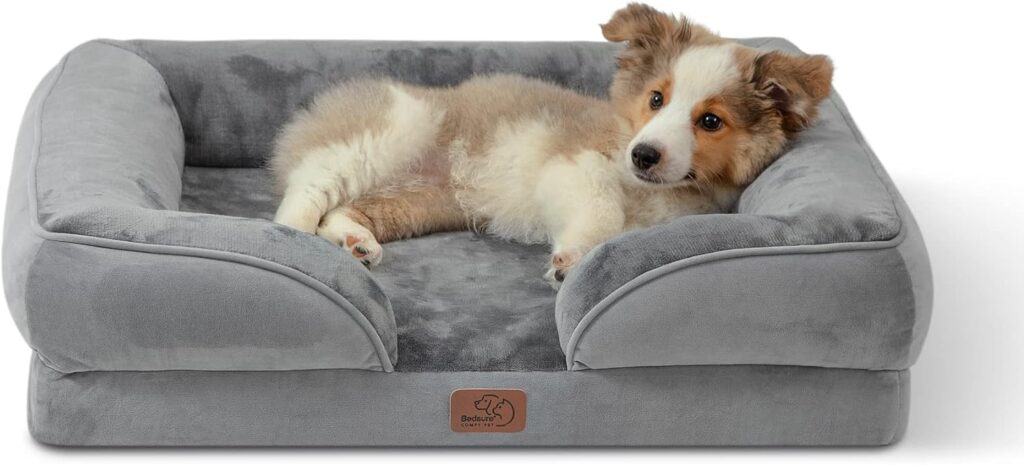
Cozy and Comfy: The Best Dog Beds for Your Furry Friend

When it comes to our beloved pets, comfort is key. Just like us, dogs need a cozy place to rest and relax after a long day of play. A high-quality dog bed not only provides comfort but also supports your dog’s overall health and well-being. With so many options available, finding the perfect dog bed can be a bit overwhelming. In this blog post, we’ll explore some of the best dog beds on the market, tailored to meet the unique needs of your furry friend.

Why a Good Dog Bed Matters

Investing in a good dog bed isn’t just about giving your dog a comfy spot to snooze. The right bed can offer several benefits:

  1. Joint Support: Especially important for older dogs or those with arthritis, a supportive bed can help alleviate pressure on joints, reducing pain and discomfort.
  2. Security: Dogs are den animals by nature, and a cozy bed can provide them with a sense of security and a personal space where they feel safe.
  3. Temperature Regulation: Certain dog beds are designed to keep your dog warm in the winter and cool in the summer, ensuring they’re comfortable year-round.
  4. Hygiene: Having a designated bed can help keep your dog clean and reduce the spread of dirt and hair around your home.

Top Dog Beds for Every Need

Whether your dog loves to stretch out, curl up, or burrow, there’s a bed that suits their preferences. Here’s a look at some of the best dog beds available:

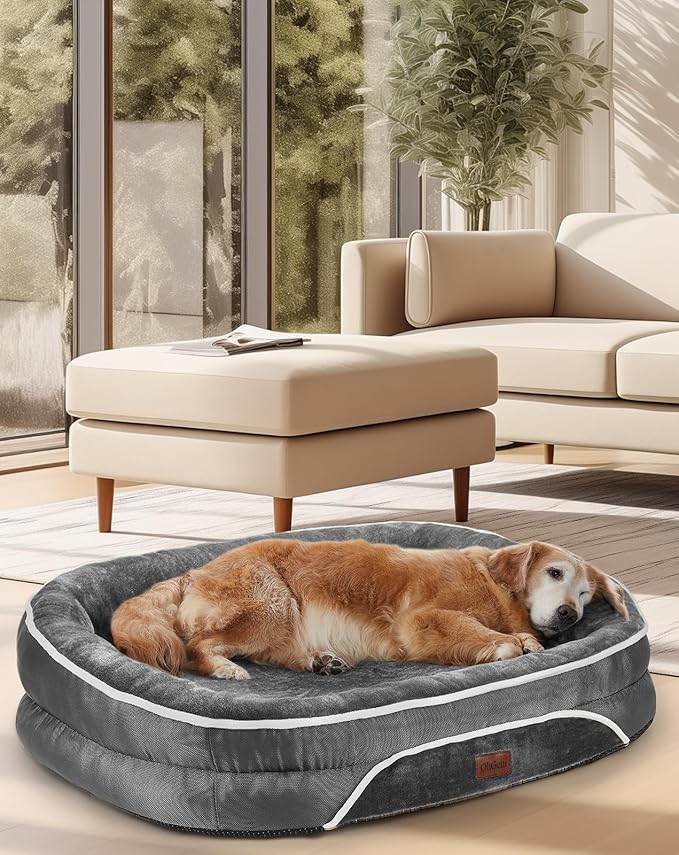
  1. Orthopedic Dog Beds:
  • Best For: Senior dogs, large breeds, or dogs with joint issues.
  • Features: Orthopedic dog beds are made with memory foam or other supportive materials that contour to your dog’s body, providing relief from pressure points. These beds are ideal for older dogs or those with arthritis, as they offer enhanced support for aching joints.
  • Top Picks: Look for brands like PetFusion or Big Barker, known for their durable, high-quality orthopedic beds.
  1. Bolster Dog Beds:
  • Best For: Dogs who like to curl up or lean against something while they sleep.
  • Features: Bolster beds have raised edges that provide a sense of security and comfort, making them perfect for dogs who love to nestle into their beds.
  • Top Picks: The Frisco Plush Bolster Bed and the BarksBar Orthopedic Bolster Bed are popular choices, offering a soft, supportive surface with cushioned edges.
  1. Cooling Dog Beds:
  • Best For: Dogs living in warmer climates or those prone to overheating.
  • Features: Cooling dog beds are designed with breathable materials or gel inserts that help regulate your dog’s temperature, keeping them cool and comfortable during hot weather.
  • Top Picks: The K&H Pet Products Cool Bed III and the Green Pet Shop Cooling Pad are excellent options for keeping your dog cool.
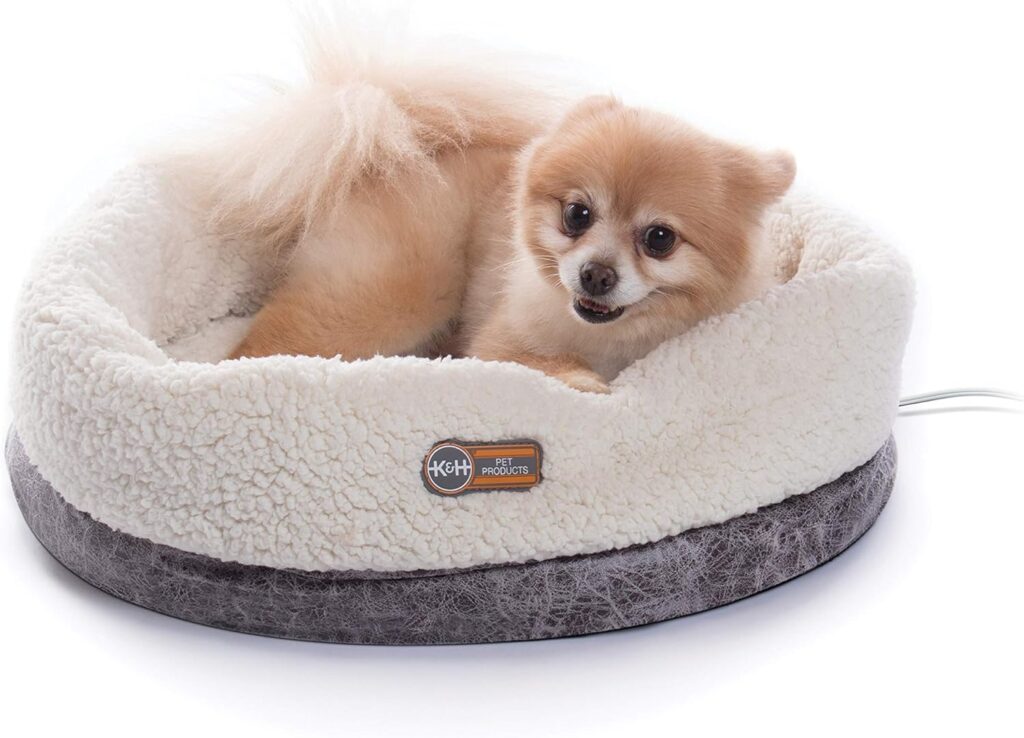
  1. Heated Dog Beds:
  • Best For: Small breeds, older dogs, or dogs who get cold easily.
  • Features: Heated dog beds provide gentle warmth, which can be especially soothing for dogs with arthritis or those who live in colder climates.
  • Top Picks: The K&H Pet Products Thermo-Snuggly Sleeper and the Aspen Pet Self-Warming Bed are great choices for providing extra warmth during chilly nights.
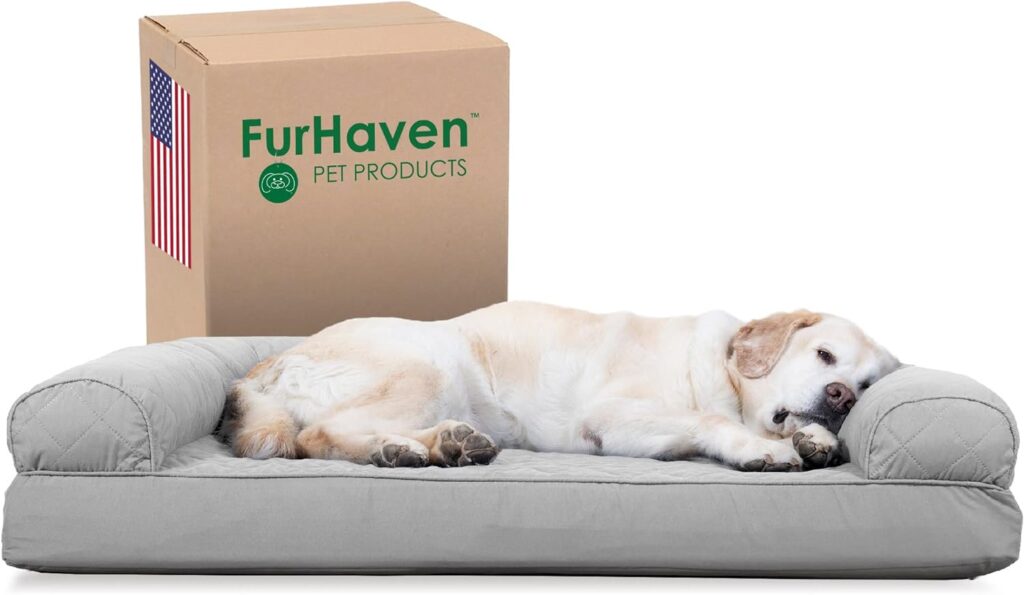
  1. Washable Dog Beds:
  • Best For: Dogs prone to accidents, shedding, or those who love outdoor adventures.
  • Features: A washable dog bed is a must-have for easy cleaning and maintenance. Look for beds with removable, machine-washable covers that make cleanup a breeze.
  • Top Picks: The Furhaven Pet Dog Bed and the Brindle Waterproof Designer Memory Foam Pet Bed offer washable covers and durable designs.

How to Choose the Right Dog Bed

When selecting the perfect dog bed for your furry friend, consider the following factors:

  1. Size: Ensure the bed is appropriately sized for your dog. Your dog should be able to stretch out comfortably without hanging off the edges. Most brands offer sizing guides based on breed or weight to help you choose the right size.
  2. Material: Look for materials that are durable and easy to clean. Memory foam, orthopedic foam, and breathable fabrics are all great options. If your dog has allergies, opt for hypoallergenic materials.
  3. Sleeping Style: Pay attention to how your dog prefers to sleep. If they like to stretch out, a flat, mattress-style bed may be best. If they prefer to curl up, a bolster or donut-shaped bed might be more comfortable.
  4. Durability: Choose a bed that can withstand your dog’s habits. If your dog is a chewer, look for a bed with reinforced seams and durable materials.
  5. Budget: While it’s important to invest in a quality bed, there are options available for every budget. Look for sales or consider beds with long-lasting warranties to get the most value for your money.

Final Thoughts: Creating a Cozy Haven for Your Dog

Your dog’s bed is more than just a place to sleep; it’s their personal space where they can relax and feel safe. By choosing the right dog bed, you’re not only providing comfort but also supporting their health and happiness.

Take the time to observe your dog’s sleeping habits and preferences, and use that information to select a bed that meets their needs. Whether you opt for an orthopedic bed for extra support, a cooling bed for hot days, or a bolster bed for added security, your dog will appreciate the thought and care you’ve put into creating their perfect resting place.

Remember, a well-rested dog is a happy dog, and with the right bed, your furry friend will enjoy countless cozy and comfy naps for years to come. 🐾

Dog Training Tips: Who Says You Can’t Teach an Old Dog New Tricks?

There’s an old saying that you can’t teach an old dog new tricks, but anyone who’s spent time with a seasoned canine companion knows that’s not true! Whether your dog is a sprightly senior or a mature middle-aged pup, they can still learn new skills and behaviors. In fact, training can be a wonderful way to keep your older dog mentally sharp, physically active, and engaged with you. In this post, we’ll explore some effective dog training tips that prove age is just a number when it comes to learning new tricks.


Why Train an Older Dog

Training isn’t just for puppies. In fact, there are several benefits to training an older dog:

  1. Mental Stimulation: Learning new commands or tricks challenges your dog’s mind, helping to keep their cognitive functions sharp as they age.
  2. Physical Exercise: Training often involves movement, which is great for keeping your dog physically active and maintaining healthy muscle tone.
  3. Bonding: Training sessions are a fantastic way to strengthen the bond between you and your dog. The process of learning together builds trust and deepens your relationship.
  4. Behavioral Improvement: Older dogs may have developed habits over the years that could use some refining. Training offers an opportunity to address and correct unwanted behaviors.

Tips for Training Older Dogs

  1. Start with Patience and Positivity:
  • Older dogs may take a bit longer to learn new tricks than puppies, but patience and consistency are key. Use positive reinforcement techniques like treats, praise, and affection to encourage good behavior and make training enjoyable for your dog.
  1. Keep Sessions Short and Sweet:
  • Senior dogs may not have the same energy levels as younger pups, so keep training sessions brief—around 5-10 minutes at a time. This helps prevent fatigue and keeps your dog’s interest piqued.
  1. Focus on Simple, Fun Tricks:
  • Start with basic commands like “sit,” “stay,” or “down,” and gradually introduce more fun tricks like “shake” or “spin.” These are easy to learn and can be adjusted to your dog’s physical capabilities.
  1. Consider Your Dog’s Health:
  • Before starting any new training regimen, it’s important to consider your dog’s health. If your dog has arthritis or other mobility issues, modify exercises to avoid putting stress on their joints. For example, you can teach a “gentle” version of tricks that doesn’t require jumping or fast movements.
  1. Use High-Value Rewards:
  • Older dogs may be more discerning about their rewards, so use high-value treats that your dog loves. You can also mix in their favorite toys or activities as rewards to keep them motivated.
  1. Incorporate Training into Daily Life:
  • Training doesn’t have to be a formal event. Incorporate it into your daily routine by asking your dog to perform commands during mealtime, playtime, or walks. This helps reinforce behaviors and makes training a natural part of your dog’s day.
  1. Be Mindful of Sensory Changes:
  • As dogs age, they may experience changes in their senses, such as diminished hearing or vision. Adapt your training techniques to accommodate these changes. For example, use hand signals instead of verbal cues if your dog’s hearing is impaired.
  1. Introduce Brain Games:
  • Puzzle toys and interactive games are excellent ways to provide mental stimulation. They also give your dog a sense of accomplishment and can help reinforce problem-solving skills.
  1. Practice Often:
  • Consistency is key to successful training, so practice regularly. Even just a few minutes each day can make a big difference in your dog’s learning process.
  1. Celebrate Small Wins:
    • Progress may be slow at times, but celebrate each small win. Every time your dog successfully performs a command or trick, they’re learning and growing. Offer plenty of praise and love to reinforce their success.

Addressing Common Training Challenges

Training an older dog may come with some unique challenges, but with patience and the right approach, they can be overcome:

  • Stubbornness: Older dogs might be set in their ways, so be patient and use positive reinforcement to encourage new behaviors. If your dog resists a command, take a step back and simplify the task.
  • Physical Limitations: Adjust training exercises to suit your dog’s physical abilities. For instance, if your dog has difficulty sitting, focus on commands that involve standing or lying down.
  • Anxiety or Stress: Some older dogs may be anxious about new experiences. Keep the training environment calm and positive, and introduce new tasks slowly. If your dog seems stressed, take a break and return to training later.

Final Thoughts: The Joy of Learning Together

Training an older dog is not only possible but incredibly rewarding. By teaching your senior pup new tricks and commands, you’re giving them a chance to stay mentally and physically active while deepening your bond. Remember, the key to success is patience, positivity, and a deep understanding of your dog’s unique needs.

So, who says you can’t teach an old dog new tricks? With the right approach, your beloved senior dog can continue to learn and grow at any age. Embrace the journey, enjoy the process, and celebrate every small victory along the way. I recommend checking out Brain Training For Dogs. It’s reasonably priced and great for dogs of ALL ages! Your dog will thank you with wagging tails, wet-nosed kisses, and the joy of learning something new! 🐾