Blog 2.0

How to Sell Homemade Dog Treats Legally From Home (Beginner-Friendly Guide)

If you’re planning to start a dog treat business from your kitchen, one of the most common questions new bakers ask is:

Can I legally sell homemade dog treats from home?

The good news is yes—many people successfully launch small dog treat businesses from home every year. The key is understanding the basic rules that apply where you live and setting up your bakery the right way from the beginning.

At The Barkin’ Beagle Bakery, we built our business step-by-step using beginner-friendly systems that help new treat bakers start safely and confidently. This guide explains exactly what you need to know to sell homemade dog treats legally from home.

Can You Legally Sell Homemade Dog Treats From Home?

In most areas, yes—you can sell homemade dog treats from home.

However, rules vary by state and sometimes by county. Many locations allow small-scale pet treat production through cottage food-style guidelines or pet treat exemptions.

Typically, you will need to:

• use safe ingredients
• label your treats clearly
• include your bakery name
• list ingredients in order by weight
• follow local packaging rules

Checking your local regulations is always the first step before selling.

If you’re still building your bakery foundation, start with this step-by-step roadmap:

👉 How to Start a Dog Treat Business From Home

What Are Cottage Food Laws for Dog Treat Businesses?

Cottage food laws allow small food businesses to operate from home kitchens.

Important note:

Many cottage food laws apply only to human food, not pet treats.

Some states instead regulate dog treats under agricultural departments.

That means rules may include:

• ingredient labeling requirements
• registration with your state agriculture department
• product weight labeling
• contact information on packaging

Always check your state’s agriculture website for pet treat guidelines.

Do You Need a License to Sell Homemade Dog Treats?

Sometimes yes—and sometimes no.

Requirements depend on:

• your state
• your county
• how many treats you produce
• whether you sell online
• whether you ship treats

Some beginner bakeries start with local sales only while completing registration later.

Understanding your local rules helps you grow with confidence.

Where to Check Your State’s Dog Treat Business Rules

Start by visiting your state’s:

• Department of Agriculture website
• Cottage food webpage
• Small business support office

Search this phrase online:

“pet treat business requirements + your state”

This usually leads directly to the correct page.

Labeling Requirements for Homemade Dog Treats

Most states require labels that include:

• product name
• ingredient list (in weight order)
• net weight
• bakery name
• city and state

Example label:

Pumpkin Apple Dog Treats

Ingredients: Oat Flour, Pumpkin Puree, Unsweetened Applesauce, Egg, Cinnamon

Net Wt. 6 oz

The Barkin’ Beagle Bakery

Clear labeling builds trust with customers and regulators.

If you’re still choosing recipes, read next:

👉 Best Ingredients for Homemade Dog Treats to Sell

Do You Need an Inspection to Sell Dog Treats From Home?

In many areas, small pet treat businesses do not require kitchen inspections when selling locally.

However, inspections may apply if:

• you scale production
• you sell wholesale
• you ship across state lines
• you manufacture large volumes

Starting small helps simplify your setup.

Many successful bakeries begin with porch pickup or local delivery.

Can You Sell Homemade Dog Treats Online?

Yes—but shipping rules vary depending on your state.

Some states allow:

• in-state shipping only

Others allow:

• nationwide shipping after registration

Check your agriculture department before shipping treats across state lines.

Many bakeries begin with local customers first before expanding online.

Do You Need Insurance for a Dog Treat Business?

Insurance is not always required—but it is strongly recommended.

Small business insurance helps protect:

• your products
• your customers
• your brand

Many beginner bakeries add insurance after their first few sales.

It’s a smart step as your business grows.

Safe Ingredient Guidelines for Selling Dog Treats

Always avoid ingredients unsafe for dogs such as:

• chocolate
• xylitol
• grapes
• raisins
• onions

Using simple ingredients like oat flour, pumpkin puree, peanut butter, and applesauce keeps your recipes safe and easy to label.

Why Simple Recipes Make Legal Setup Easier

Simple recipes help you:

• label faster
• register faster
• track ingredients easier
• build trust faster

Many successful bakeries intentionally start with 3–5 ingredient recipes.

Inside the Dog Bakery Starter Kit™, you’ll find beginner recipes designed specifically for selling.

👉Dog Bakery Starter Kit™

Selling Dog Treats at Farmers Markets and Local Events

Farmers markets are one of the easiest legal starting points for new bakeries.

Markets may require:

• labeled packaging
• vendor application
• small vendor fee

Many bakers get their first repeat customers at local events.

This is one of the fastest ways to grow confidence.

Selling Dog Treats Through Instagram and Local Pickup

Many beginner bakeries start with:

• porch pickup
• neighborhood delivery
• local Instagram customers

This keeps setup simple while your bakery grows.

If you’re still working on pricing strategy, read next:

👉 How to Price Homemade Dog Treats for Profit

Do You Need an LLC to Sell Homemade Dog Treats?

You do not need an LLC to begin selling dog treats.

Many bakeries start as sole proprietorships.

Later, some owners choose to form an LLC for:

• liability protection
• brand credibility
• business banking setup

Starting simple is completely okay.

When Should You Register Your Dog Treat Business Name?

Consider registering your business name when you:

• begin selling regularly
• open a business bank account
• apply for events
• launch a website

Registering your name helps protect your brand identity.

That’s exactly how The Barkin’ Beagle Bakery grew from a home kitchen idea into a recognizable small business brand.

Legal Tips That Help Beginner Dog Treat Businesses Grow Safely

Start with these steps:

  1. Check your state agriculture website
  2. Use clear ingredient labels
  3. Start with local sales
  4. Keep recipes simple
  5. Track your ingredients

Small steps create strong businesses.

Sell Homemade Dog Treats From Home With Confidence

Learning how to sell homemade dog treats legally from home becomes much easier when you follow a clear beginner roadmap.

Inside the Dog Bakery Starter Kit™, you’ll find:

• beginner recipes you can sell
• labeling guidance
• packaging ideas
• pricing templates
• startup checklists

👉 Start building your dog treat bakery with confidence

Together with our full launch guide:

👉 How to Start a Dog Treat Business From Home

These resources help you move from baking for fun to building a real dog treat business step by step.
How to Price Homemade Dog Treats for Profit (Beginner-Friendly Guide)

If you’re learning how to start a dog treat business from home, one of the most important skills you can develop is knowing how to price homemade dog treats for profit. Pricing correctly helps your business grow sustainably, protects your time, and ensures your treats feel valuable to customers.

At The Barkin’ Beagle Bakery, pricing became one of the biggest turning points in moving from hobby baking to building a real dog treat business. Many beginners accidentally underprice their treats—this guide will help you avoid that mistake.

Why Pricing Homemade Dog Treats Correctly Matters

Pricing affects:

• your profit
• your confidence
• your brand value
• your ability to grow
• customer perception

Low pricing often signals “hobby.”

Confident pricing signals “small business.”

Learning how to price homemade dog treats correctly helps position your bakery as professional from the beginning.

If you’re still setting up your bakery foundation, start with our step‑by‑step launch roadmap:

👉 How to Start a Dog Treat Business From Home

The Biggest Pricing Mistake New Dog Treat Bakers Make

Most beginners price like this:

Ingredient cost only

Example:

Ingredients cost $2
Treat price = $3

This leaves little room for growth.

Instead, your pricing should include:

• ingredients
• packaging
• baking time
• prep time
• electricity usage
• labeling supplies
• business growth margin

Your time matters.

Step 1: Calculate Ingredient Cost Per Batch

Start by listing ingredients used in one recipe batch.

Example:

Oat flour
Pumpkin puree
Applesauce
Egg
Cinnamon

Divide the total ingredient cost by number of treats produced.

This gives your base cost per treat.

Simple recipes help keep this number low—which increases your profit potential.

If you’re still choosing recipes, visit:

👉 Best Ingredients for Homemade Dog Treats to Sell

Step 2: Add Packaging Cost to Each Treat

Packaging includes:

• treat bags
• labels
• tags
• boxes
• stickers

Example:

Treat bag = $0.40
Label = $0.20
Tag = $0.30

Packaging total = $0.90

Packaging plays a big role in perceived value.

Many bakeries increase pricing slightly once packaging improves.

Step 3: Pay Yourself for Your Time

Your time has value—even if your business is new.

Include time spent:

• mixing
• baking
• cutting shapes
• packaging
• labeling

Beginner suggestion:

Start with $12–$20 per hour equivalent value when calculating pricing.

This protects your motivation long‑term.

Step 4: Use the Simple Dog Treat Pricing Formula

Beginner pricing formula:

Ingredient cost + Packaging cost × 2 or 3

Example:

Ingredients = $2
Packaging = $1

Total = $3

Selling price suggestion:

$6–$9 per bag

This creates a healthy starter margin.

Step 5: Compare Local Dog Treat Pricing

Research nearby sellers:

• Etsy shops
• farmers markets
• local bakeries
• Instagram sellers

Look for:

• price per ounce
• packaging style
• ingredient quality

This helps confirm your pricing is competitive and realistic.

Step 6: Choose Beginner‑Friendly Starter Prices

Common beginner pricing examples:

6 oz treat bag:
$8–$14

8 oz treat box:
$18–$28

Training treats:
$6–$12

Personalized treats:
$8–$15 each

These ranges match many successful small bakery launches.

At The Barkin’ Beagle Bakery, personalized treats quickly became a premium product category.

Step 7: Increase Value With Simple Add‑Ons

Add‑ons help increase pricing naturally.

Examples:

• custom recipe cards
• personalized treat tags
• seasonal shapes
• birthday packaging

Customers happily pay more when treats feel special.

One easy value booster is including a custom recipe card with purchases.

Step 8: Avoid Underpricing When You First Launch

Underpricing can:

• reduce confidence
• attract bargain shoppers only
• limit growth
• increase burnout

Start with fair pricing.

You can always adjust later.

Step 9: Offer Treat Bundles to Increase Average Order Value

Bundles increase profits without increasing workload significantly.

Example bundle:

6 oz bag + gift box + recipe card

Bundles help customers feel they are getting extra value.

This strategy works especially well for holidays and birthdays.

Step 10: Price Personalized Dog Treats Higher

Personalized treats should always be premium priced.

Why?

They require:

• customization
• extra prep time
• extra packaging effort

At The Barkin’ Beagle Bakery, personalized dog treats became one of the strongest value products because customers love celebrating their pups.

Explore our personalized dog treats for inspiration.

Step 11: Track Your Costs as Your Bakery Grows

Keep a simple spreadsheet including:

• ingredients
• packaging
• batch size
• profit per batch

Tracking helps you:

• adjust pricing confidently
• improve margins
• plan new recipes

Small tracking habits create strong businesses.

Step 12: Know When It’s Time to Raise Prices

Signs you should raise prices:

• selling out quickly
• repeat customers returning often
• packaging upgrades
• ingredient upgrades

Raising prices is a sign your bakery is growing—not failing.

Beginner Pricing Example From a Starter Dog Treat Bakery

Example:

Pumpkin Apple Treat Batch

Ingredient cost = $4
Packaging cost = $2
Batch makes 20 treats

Cost per treat:

$0.30

Selling price suggestion:

$1–$2 per treat depending on packaging style

This creates room for growth.

How Pricing Supports Long‑Term Dog Bakery Success

Smart pricing allows you to:

• reinvest in ingredients
• improve packaging
• test new recipes
• expand product options

Pricing is not just math.

It is strategy.

Start Pricing Your Homemade Dog Treats With Confidence

Learning how to price homemade dog treats for profit becomes easier when you follow a simple system.

Inside the Dog Bakery Starter Kit™, you’ll find:

• beginner pricing templates
• packaging ideas
• ingredient guidance
• sellable recipes
• startup checklists

👉 Start building your bakery with confidence

And if you’re still choosing your recipe ingredients, read next:

👉 Best Ingredients for Homemade Dog Treats to Sell

Together, these guides help you move from baking for fun to building a profitable dog treat business from home.

Best Ingredients for Homemade Dog Treats to Sell (Beginner-Friendly Guide)

If you’re learning how to start a dog treat business from home, choosing the best ingredients for homemade dog treats to sell is one of the most important decisions you’ll make. The ingredients you select affect everything—from shelf life and pricing to customer trust and repeat purchases.

At The Barkin’ Beagle Bakery, simple, wholesome ingredients helped shape our entire bakery model. Many successful dog treat businesses begin with just a few safe pantry staples and grow from there.

This guide walks you through the best beginner-friendly ingredients you can confidently use to create treats customers love—and that are easy to produce from your home kitchen.

Why Ingredient Choice Matters When Selling Homemade Dog Treats

Pet parents today carefully read ingredient labels. Many actively look for:

• limited ingredient recipes
• allergy-friendly treats
• wheat-free options
• natural ingredients
• homemade quality

Choosing the right ingredients helps your treats feel premium—even when you’re just getting started.

If you’re still planning your bakery setup, start here first:

👉 Read our full guide: How to Start a Dog Treat Business From Home

(This companion article walks you through launching your bakery step by step.)

What Makes an Ingredient “Good” for Selling Dog Treats?

The best ingredients for homemade dog treats to sell are:

• affordable
• easy to find
• safe for dogs
• simple to label
• consistent to bake with
• appealing to pet parents

Simple recipes are easier to scale as your business grows.

Oat Flour: The #1 Starter Ingredient for Dog Treat Businesses

Oat flour is one of the most popular ingredients used in homemade dog treats.

Why it works so well:

• gentle on digestion
• naturally wheat-free
• easy to label
• affordable
• creates consistent texture

Many beginner bakeries build their first recipes around oat flour because it produces reliable results.

At The Barkin’ Beagle Bakery, oat flour is used in several customer-favorite recipes.

Pumpkin Puree: A Customer-Favorite Ingredient

Pumpkin puree is one of the most trusted ingredients in dog treats.

Benefits include:

• supports digestion
• adds natural flavor
• improves texture
• extends moisture balance
• easy to source year-round

Pumpkin is especially helpful when creating beginner-friendly recipes.

It’s also one of the easiest ingredients to market because pet parents already recognize its benefits.

Unsweetened Applesauce: Adds Natural Sweetness Safely

Unsweetened applesauce helps improve both texture and taste.

It works well because it:

• binds ingredients
• adds moisture
• improves flavor naturally
• supports simple ingredient labels

Always choose unsweetened applesauce when baking for dogs.

This ingredient pairs especially well with oat flour and pumpkin.

Peanut Butter (Xylitol-Free): A Classic Crowd Favorite

Peanut butter is one of the most popular dog treat ingredients available.

Benefits include:

• strong flavor appeal
• easy mixing
• affordable
• easy to label

Important reminder:

Always use xylitol-free peanut butter when baking dog treats.

Peanut butter recipes are often some of the fastest-selling treats for beginner bakeries.

Banana: A Great Natural Binding Ingredient

Bananas are perfect for softening dough naturally.

They provide:

• natural sweetness
• potassium
• fiber
• smooth texture

Bananas work especially well in beginner recipes because they reduce the need for added oils.

Blueberries: A Premium Ingredient Customers Love

Blueberries help homemade treats feel extra special.

Benefits include:

• antioxidant support
• strong visual appeal
• premium perception
• great seasonal recipe option

Blueberry recipes often sell well as gift-style treats.

Cheddar Cheese: Perfect for Training Treat Recipes

Cheddar cheese is excellent for:

• training treats
• crunchy biscuits
• high-value reward treats

Dogs love the strong flavor.

Pet parents love recognizable ingredients.

Cheddar recipes are especially helpful when creating small bite-sized training treats.

Sweet Potato: A Popular Allergy-Friendly Option

Sweet potato is a powerful ingredient for limited-ingredient recipes.

It offers:

• natural sweetness
• fiber support
• easy digestion
• strong shelf-life support

Many bakeries create entire product lines around sweet potato recipes.

Cinnamon: Adds Flavor Without Added Sugar

Cinnamon is commonly used in small quantities in dog treat baking.

It helps:

• enhance flavor
• improve aroma
• support seasonal recipes

A small amount goes a long way.

Ingredients to Avoid When Selling Homemade Dog Treats

Avoid using:

• xylitol
• chocolate
• raisins
• grapes
• onions
• excessive salt

Keeping recipes simple helps maintain safety and trust.

How Simple Ingredient Labels Increase Customer Trust

Pet parents appreciate transparency.

Example strong beginner ingredient label:

Oat Flour, Pumpkin Puree, Unsweetened Applesauce, Egg, Cinnamon

Short ingredient lists help your treats stand out immediately.

Many successful bakeries intentionally keep recipes under five ingredients.

Creating Your First 3 Sellable Dog Treat Recipes

A strong beginner starter menu often includes:

Recipe 1:
Pumpkin Oat Biscuits

Recipe 2:
Peanut Butter Banana Bites

Recipe 3:
Cheddar Training Treats

These three recipes create a balanced starter menu with variety and strong customer appeal.

Inside the Dog Bakery Starter Kit™, you’ll find beginner recipes designed specifically for selling:

👉 Dog Bakery Starter Kit™

How Ingredient Simplicity Helps You Price Treats Correctly

Using simple ingredients helps:

• control costs
• simplify labeling
• improve production speed
• increase profit margins

Many beginner bakeries accidentally overcomplicate recipes early.

Simple recipes are easier to scale.

Packaging Tips That Highlight Ingredient Quality

Customers notice ingredient transparency on packaging.

Consider highlighting:

• limited ingredients
• homemade quality
• wheat-free recipes
• small-batch baking

Adding a signature custom recipe card with ingredient details is another great way to increase perceived value.

Why Ingredient Transparency Helps You Sell More Treats

Clear ingredients help customers feel confident purchasing from small bakeries.

Trust leads to:

• repeat customers
• referrals
• gift purchases
• social media shares

Transparency is one of the biggest advantages small bakeries have over big brands.

Build Your Ingredient-Based Starter Menu With Confidence

Choosing the best ingredients for homemade dog treats to sell doesn’t have to feel complicated.

Start with:

• oat flour
• pumpkin puree
• applesauce
• peanut butter
• banana
• cheddar cheese

These ingredients create dozens of beginner-friendly recipe combinations.

If you’re ready to turn your recipes into a real side hustle, the Dog Bakery Starter Kit™ includes pricing guidance, packaging ideas, labeling support, and sellable beginner recipes:

👉 Dog Bakery Starter Kit™

And if you haven’t yet read our full launch roadmap, visit:

👉 How to Start a Dog Treat Business From Home

Together, these guides help you move from baking for fun to building a real dog treat business with confidence.

How to Start a Dog Treat Business From Home (Step‑by‑Step Beginner Guide)

If you love dogs and enjoy baking, learning how to start a dog treat business from home can turn your passion into a meaningful and profitable side hustle. Thousands of dog lovers across the country are building small treat businesses right from their kitchens—and many begin with just a mixing bowl, a few simple ingredients, and one great recipe.

At The Barkin’ Beagle Bakery, what started as homemade treats for our own pups grew into something bigger: a creative business helping other dog lovers launch their own treat brands with confidence.

If you’re brand new, start with our free 7‑Day Dog Treat Bakery Starter Plan to map out your first week of progress.

Why Starting a Dog Treat Business From Home Is a Great Idea

Pet parents today are actively searching for:

• homemade dog treats
• simple ingredients
• allergy‑friendly recipes
• small‑batch products
• personalized dog gifts

That creates a powerful opportunity for beginners learning how to start a dog treat business from home.

Starting from home allows you to:

• keep startup costs low
• work on your own schedule
• grow at your own pace
• test recipes before scaling
• build a brand around your love for dogs

Many successful treat businesses begin as weekend projects before becoming something bigger.

Step 1: Choose the Type of Dog Treats You Want to Sell From Home

Some beginner‑friendly options include:

• crunchy biscuits
• training treats
• seasonal shapes
• allergy‑friendly treats
• limited‑ingredient treats
• personalized dog treats

Personalized treats are especially popular at The Barkin’ Beagle Bakery because pet parents love celebrating their pups.

Explore beginner recipes inside the Dog Bakery Starter Kit™:

Step 2: Choose the Best Ingredients for Homemade Dog Treats to Sell

Pet parents trust bakeries that use simple ingredients.

Popular starter ingredients include:

• oat flour
• pumpkin puree
• unsweetened applesauce
• peanut butter (xylitol‑free)
• banana
• blueberries
• cheddar cheese

Many successful sellers start with just 3–5 ingredients.

If your dog has allergies, that can inspire your product line—just like Shelby’s chicken‑free treats helped shape part of our bakery menu.

Step 3: Test Your Dog Treat Recipes Before Launching Your Business

Before selling homemade dog treats:

Make sure they are:

• firm
• shelf‑stable
• consistent in size
• easy to package
• appealing to dogs

Share samples with local dog parents to build excitement.

Step 4: Understand Cottage Food Rules for Selling Dog Treats From Home

When learning how to start a dog treat business from home, always check your state guidelines.

These usually require:

• ingredient lists
• product weight
• bakery name
• labeling transparency

Professional labeling builds trust immediately.

Step 5: Name Your Homemade Dog Treat Business

Your name should feel:

• memorable
• playful
• dog‑friendly
• easy to spell

Many bakery names are inspired by family pets.

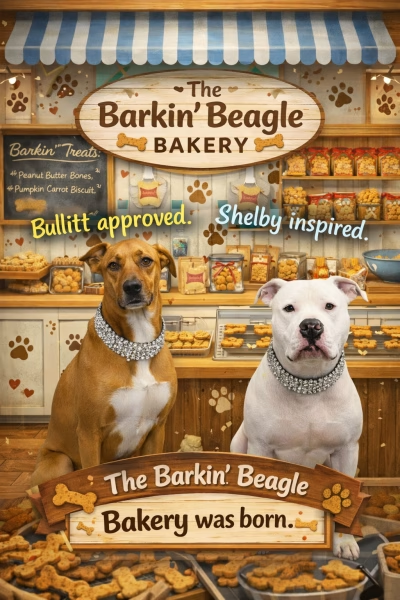
That’s exactly how The Barkin’ Beagle Bakery began—with Bullitt and Shelby.

Step 6: Create Simple Packaging for Your Dog Treat Business

Beginner packaging ideas include:

• clear treat bags
• kraft paper bags
• treat boxes
• personalized tags
• ingredient labels

Your label should include:

• treat name
• ingredients
• bakery name

You can also include one of our signature custom recipe cards as a value‑add for customers.

Step 7: How to Price Homemade Dog Treats for Profit

Pricing should include:

• ingredients
• packaging
• prep time
• baking time
• local pricing research

Avoid underpricing early.

Inside the Dog Bakery Starter Kit™, you’ll find beginner pricing guidance:

Step 8: Set Up Instagram to Promote Your Dog Treat Business

Start posting:

• recipe testing photos
• packaging previews
• taste‑tester dogs
• behind‑the‑scenes baking
• customer pup features

Consistency builds trust quickly.

Step 9: Sell Your First Batch of Homemade Dog Treats

Your first customers are often:

• friends
• coworkers
• neighbors
• local dog parents

Momentum matters more than perfection.

Step 10: Offer Personalized Dog Treats to Stand Out Faster

Examples include:

• name‑stamped treats
• birthday treats
• gotcha day treats
• seasonal gift boxes

Our personalized dog treats quickly became customer favorites because they celebrate each pup individually.

Step 11: Follow a Simple 4‑Week Dog Treat Business Launch Plan

Week 1: choose recipes

Week 2: test batches

Week 3: design packaging

Week 4: announce your bakery

Download the free 7‑Day Dog Treat Bakery Starter Plan to launch even faster.

Step 12: Build Trust With Ingredient Transparency

Highlight:

• limited ingredients
• allergy‑friendly recipes
• small‑batch baking
• homemade quality

Transparency helps small bakeries compete with large brands.

Step 13: Grow Your Dog Treat Side Hustle Naturally

Many bakeries expand into:

• seasonal collections
• personalized treats
• recipe cards
• digital products
• starter kits

Growth happens step by step.

Beginner Mistakes to Avoid When Starting a Dog Treat Business From Home

Avoid:

• too many recipes at launch
• missing labels
• underpricing
• waiting too long to start

Simple beginnings lead to strong businesses.

How Much Money Can You Make Selling Homemade Dog Treats?

Many beginners earn:

• $50 weekly
• $100 weekly
• $300 monthly

Then scale through bundles, seasonal treats, and personalization.

Why Dog Treat Businesses Are the Perfect Side Hustle From Home

This business lets you:

• work evenings
• bake weekends
• grow slowly
• test ideas safely

Many bakers begin while working full‑time jobs.

Start Your Dog Treat Business With Confidence Today

Inside the Dog Bakery Starter Kit™, you’ll get:

• recipes you can sell
• packaging ideas
• pricing guidance
• ingredient support
• startup checklists
• launch roadmap templates

Your dog treat business can begin today—with just one recipe and one decision to start!

Why a Dog Treat Business Is the Perfect Side Hustle From Home

If you love dogs and dream of starting a small business from home, a homemade dog treat bakery might be one of the best side hustle opportunities available today.

More people than ever are searching for ways to earn extra income without quitting their full-time jobs. At the same time, pet parents are becoming increasingly thoughtful about what they feed their dogs. That combination has created a growing demand for homemade dog treats—and a powerful opportunity for everyday dog lovers to turn their kitchens into income-producing spaces.

That’s exactly how The Barkin’ Beagle Bakery began.

What started as baking treats for my own dogs quickly turned into something bigger: a supportive dog-loving community, creative treat collections, and a flexible business that fits into real life—not the other way around.

If you’ve ever wondered whether starting a dog treat business from home is possible, affordable, and rewarding, this guide will show you why it’s one of the most practical and enjoyable side hustles you can start today.

The Pet Industry Is Growing Faster Than Ever

why homemade dog treats are popular with pet owners
Screenshot

One of the biggest reasons a dog treat business makes a great side hustle is simple:

People love their dogs.

And they’re spending more on them than ever before.

Pet parents today are looking for:

• healthier treat options
• simple ingredients
• small-batch baked goods
• creative seasonal treats
• gifts for their dogs
• personalized experiences

Homemade dog treats meet all of these needs.

Unlike large commercial brands, small dog bakeries offer something special: heart, creativity, and connection.

That’s why small treat businesses like The Barkin’ Beagle Bakery continue to grow—not because they compete with big stores, but because they offer something different.

You Can Start a Dog Treat Side Hustle From Your Own Kitchen

One of the most exciting parts of starting a homemade dog treat business is how accessible it is.

You don’t need:

a storefront
a commercial kitchen right away
expensive equipment
a business degree

Most dog treat side hustles begin with simple tools you already own:

mixing bowls
baking trays
cookie cutters
measuring cups
basic ingredients

Many successful dog treat businesses begin exactly this way.

The Barkin’ Beagle Bakery started in a home kitchen, baking small batches inspired by my own dogs—Bullitt and Shelby—and grew step by step from there.

Starting small allows you to:

learn what customers love
test recipes
build confidence
grow at your own pace

That flexibility makes this side hustle especially realistic for busy people working full time.

It’s One of the Most Flexible Side Hustles You Can Start

Some side hustles require strict schedules, inventory deadlines, or constant online presence.

A homemade dog treat business is different.

You can bake:

in the evenings
on weekends
during school breaks
or whenever your schedule allows

Because treats can be made in batches, you stay in control of your time.

That flexibility is one reason The Barkin’ Beagle Bakery works so well as a side hustle. It fits around real life—not the other way around.

Even if you only bake a few batches each week, you can still build a strong brand and loyal customer base over time.

Consistency matters more than speed.

Homemade Dog Treats Are in High Demand

Today’s pet parents read ingredient labels carefully.

They want treats made with ingredients they recognize and trust.

Many customers specifically search for:

homemade dog treats
limited-ingredient treats
small-batch baked treats
allergy-friendly treats
natural dog snacks

This shift toward simple ingredients creates an opportunity for home-based bakers.

Instead of competing with large brands, you’re offering something personal and thoughtful.

At The Barkin’ Beagle Bakery, many recipes were inspired directly by the needs of real dogs—including Shelby, who helped inspire chicken-free treat options after discovering she couldn’t tolerate certain ingredients.

That’s the kind of authenticity customers connect with.

Startup Costs Are Surprisingly Low

Compared to most businesses, a homemade dog treat bakery has a very affordable starting point.

Typical startup basics include:

ingredients
treat cutters
mixing supplies
simple packaging
labels or tags
a free social media account

Many bakers begin with under $100 worth of supplies.

As your business grows, you can upgrade gradually:

branded packaging
custom cutters
logo labels
website setup
shipping materials

Starting small keeps risk low and confidence high.

That’s one reason so many dog lovers choose this path as their first business experience.

Social Media Makes It Easier Than Ever to Find Customers

growing a dog treat business using Instagram community engagement

Years ago, starting a bakery meant renting space or selling locally.

Today, social media helps small businesses connect with dog lovers everywhere.

Platforms like Instagram and Pinterest allow dog treat businesses to:

share baking updates
introducer new treats
run giveaways
build a dog-loving community
connect with pup parents

The Barkin’ Beagle Bakery grew by focusing on connection first.

Posting photos of dogs
sharing treat launches
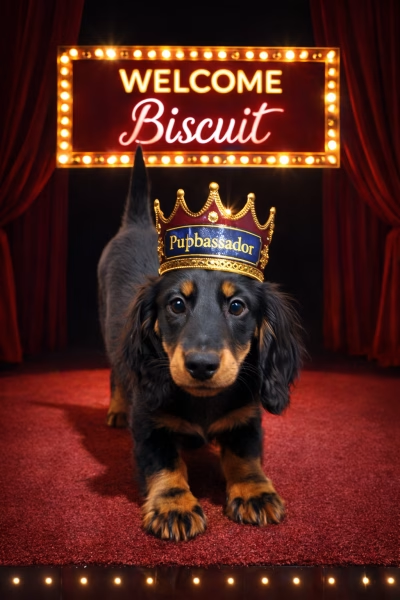
celebrating Pupbassadors
hosting giveaways
and inviting followers into the baking journey

These simple steps helped turn followers into customers—and customers into community members.

You don’t need thousands of followers to start.

You just need consistency and heart.

A Dog Treat Business Lets You Be Creative Every Week

Many side hustles feel repetitive.

Dog treat baking never does.

There are endless creative directions you can explore:

seasonal treats
holiday collections
breed-inspired shapes
birthday treats
celebration treats
limited-edition batches

creative seasonal homemade dog treats small business ideas

At The Barkin’ Beagle Bakery, creating themed treat collections keeps the business fun and exciting.

Instead of feeling like work, baking often feels like creating something special for dogs and their families.

That creativity keeps motivation strong—even on busy days.

You’re Not Just Selling Treats—You’re Building a Community

One of the most surprising parts of starting a dog treat business is how quickly relationships form.

Dog parents love sharing stories about their pups.

They celebrate birthdays.

They enter giveaways.

They follow new treat launches.

They cheer each other on.

Over time, a simple side hustle becomes something more meaningful.

The Barkin’ Beagle Bakery community includes amazing dogs from many breeds and backgrounds who help inspire new treats and ideas every week.

Programs like the Pupbassador community make it possible for followers to become part of the bakery story itself.

That connection is something large companies simply can’t replicate.

It’s a Side Hustle That Grows With You

One of the best things about starting a dog treat business from home is how scalable it is.

You can begin with:

one recipe
one cutter
one treat style

Then expand gradually into:

seasonal collections
gift bundles
limited editions
community giveaways
brand partnerships

Growth happens naturally as confidence increases.

The Barkin’ Beagle Bakery didn’t start as a large operation.

It grew one step at a time.

That’s exactly how most successful side hustles develop.

You Don’t Need Business Experience to Start

Many people hesitate to begin because they think they need special training.

You don’t.

Most dog treat bakers learn by doing.

You’ll figure out:

which recipes customers love
which packaging works best
which posts get engagement
which treats sell fastest

Starting small gives you space to learn comfortably.

Confidence builds quickly once your first treats go out into the world.

And nothing compares to seeing a happy dog enjoying something you created.

Homemade Dog Treat Businesses Bring Emotional Rewards Too

Income matters.

But meaning matters too.

One reason so many people fall in love with running a dog treat bakery is the joy it brings.

You get to:

celebrate dogs
connect with pet parents
support shelters
share creativity
watch your ideas come to life

The Barkin’ Beagle Bakery began with Bullitt as the original taste tester and Shelby inspiring new recipe directions.

Those moments shaped the business from the very beginning.

Every treat baked since then carries that same spirit forward.

It’s a Perfect Side Hustle for Dog Lovers

Some side hustles feel disconnected from what you enjoy.

A dog treat bakery lets your passion lead the way.

If you already:

love baking
love dogs
love creative projects
love connecting with pet parents

then you already have the foundation for success.

The best businesses often start this way.

Not with complicated plans—but with something you already enjoy doing.

You Can Start Small and Grow Naturally

Many people assume businesses must launch perfectly.

That’s not true.

The Barkin’ Beagle Bakery grew one step at a time:

first treats
then themed collections
then community engagement
then giveaways
then brand recognition

dog treat bakery community of pet owners and pupbassadors

Every step built confidence.

Every step built experience.

Every step built connection.

That’s the beauty of starting a side hustle from home.

You grow at your own pace.

A Dog Treat Side Hustle Can Lead to Bigger Opportunities

Many home bakers eventually expand into:

online shops
local events
custom treat launches
community programs
digital resources for other bakers

Some even begin helping others start their own treat businesses.

What begins as a simple kitchen project can grow into something far bigger than expected.

That’s part of what makes this journey so exciting.

Why The Barkin’ Beagle Bakery Is Proof This Side Hustle Works

The Barkin’ Beagle Bakery started with two dogs:

Bullitt
and Shelby

One taste tester.

One inspiration.

One idea.

From there, it grew into:

a treat community
a Pupbassador program
seasonal collections
creative giveaways
and a growing group of dog lovers supporting each other

That’s what makes a dog treat bakery such a powerful side hustle.

It’s not just about baking.

It’s about connection.

Creativity.

And building something meaningful from home.

Could a Dog Treat Business Be Your Perfect Side Hustle?

If you’ve been thinking about starting something of your own, a homemade dog treat bakery might be the opportunity you’ve been waiting for.

You don’t need a storefront.

You don’t need special equipment.

You don’t need experience.

You just need:

a love for dogs
a willingness to start small
and the excitement to try something new

The Barkin’ Beagle Bakery began exactly that way.

And your story could too.

If you’re ready to explore what’s possible, this might be the perfect time to start your own dog treat side hustle from home. 🐾